
Transforming Solar Cell Production: The Role of Precision Maglev Vacuum Pumps in Vacuum Coating Processes
Release time: Nov.05.2026
Click volume: Views
The global transition toward clean energy has driven rapid innovation across the photovoltaic (PV) manufacturing sector. Next-generation solar cell architectures—such as TOPCon (Tunnel Oxide Passivated Contact), HJT (Heterojunction Technology), and Perovskite-Silicon Tandem cells—demand unprecedented precision during thin-film vacuum deposition processes. Technologies including Physical Vapor Deposition (PVD), Plasma-Enhanced Chemical Vapor Deposition (PECVD), and Atomic Layer Deposition (ALD) rely on high-vacuum environments to apply nanometer-thin passivating, antireflective, and conductive oxide layers onto silicon wafers.
Achieving high photoelectric conversion efficiency requires absolute vacuum stability and zero hydrocarbon contamination within the deposition chambers. Traditional oil-sealed rotary vane or mechanical booster pumps carry significant risks of oil backstreaming and mechanical vibration, which can ruin delicate crystalline film structures, induce microscopic lattice defects, and reduce overall batch yield. To eliminate contamination threats and maximize production uptime, leading solar cell gigafactories are integrating magnetic levitation (maglev) oil-free vacuum pumps into their precision coating supply lines.
1. Vacuum Coating Dynamics and Purity Demands in PV Manufacturing
During thin-film deposition, high-vacuum systems evacuate process chambers down to ultra-deep pressures before reactive process gases (such as silane, ammonia, or metallic precursors) are introduced under controlled plasma environments.
+-----------------------------------------------------------------------+
|             SOLAR CELL VACUUM COATING PROCESS FLOW SCHEMATIC          |
|                                                                       |
|   [ Silicon Wafer Loading ] ──> [ PECVD / PVD Vacuum Chamber ]        |
|                                                 │                     |
|                                                 ▼                     |
|   [ Process Gas Influx ] ─────> [ Active Plasma Thin-Film Deposition ]|
|                                                 │                     |
|                                                 ▼                     |
|   [ Smart PLC Automation ] ───> [ Maglev Oil-Free Vacuum System ]     |
|                                                 │                     |
|                                                 ▼                     |
|   [ Clean Exhaust Trap ] ─────> [ High-Efficiency Solar Cell Output ] |
+-----------------------------------------------------------------------+
Core Vacuum Bottlenecks in Solar Cell Coating
Zero Hydrocarbon Contamination (ISO 8573-1 Class 0): Even trace amounts of oil vapor backstreaming from vacuum pumps contaminate wafer surfaces, creating pinhole defects in passivation layers that drastically drop cell conversion efficiency.
Elimination of Mechanical Vibration: Physical contact in conventional bearings generates structural micro-vibrations, disrupting the uniform deposition of ultra-thin nanometer films across large-format wafers.
Corrosive and Reactive Gas Handling: Deposition processes release aggressive, reactive, and particulate-laden exhaust gases (such as silane dust) that accelerate wear on mechanical seals and pump rotors.
2. Why Maglev Vacuum Pumps Excel in Solar Coating Operations
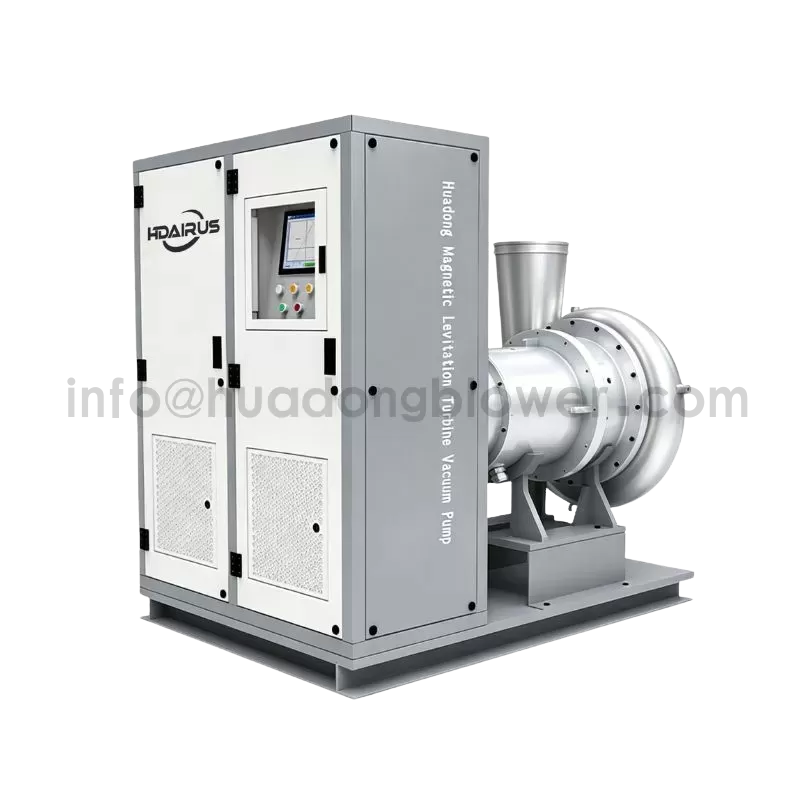
Maglev vacuum pumps integrate active magnetic bearings (AMB), permanent magnet synchronous motors (PMSM), and frictionless high-speed molecular centrifugal mechanics, offering distinct advantages over traditional mechanical pumps:
100% Oil-Free Vacuum Purity: Magnetic levitation operates entirely without liquid lubricants or contact seals in the vacuum path, completely eliminating oil backstreaming and protecting delicate film purity.
Frictionless Zero-Vibration Rotation: Electromagnetic rotor levitation eliminates mechanical contact, providing ultra-smooth evacuation that ensures uniform film thickness across every silicon wafer.
Up to 30%–40% Energy Savings: Direct-drive PMSM motors and frictionless operation eliminate mechanical drag, significantly reducing electricity consumption during continuous 24/7 gigafactory operations.
High Resistance to Process Gases: Specialized anti-corrosion internal coatings and non-contact rotor clearances prevent abrasive wear from process gas byproducts, ensuring long pump service life.
3. Strategic Integration Across Advanced Solar Cell Architectures
Solar Cell Technology | Vacuum Coating Process | Role of Maglev Vacuum Pumps | Conversion Efficiency & Yield Impact |
TOPCon Cells | PECVD / LPCVD Poly-Si & Tunnel Oxide Deposition | Evacuates chambers to deep vacuum; handles reactive silane gases smoothly. | Ensures pinhole-free tunnel oxide layers and high passivation quality. |
HJT Cells | PVD / PECVD Amorphous Silicon & TCO Deposition | Maintains ultra-clean, vibration-free vacuum during low-temperature deposition. | Prevents lattice defects and optimizes transparent conductive oxide (TCO) film conductivity. |
Perovskite Tandem | ALD / PVD Thin-Film Layering | Delivers precise, pulse-free vacuum control for atomic layer growth. | Maximizes light absorption efficiency and prevents interlayer contamination. |
4. Manufacturing Capabilities of Shandong Huadong Blower Co., Ltd.
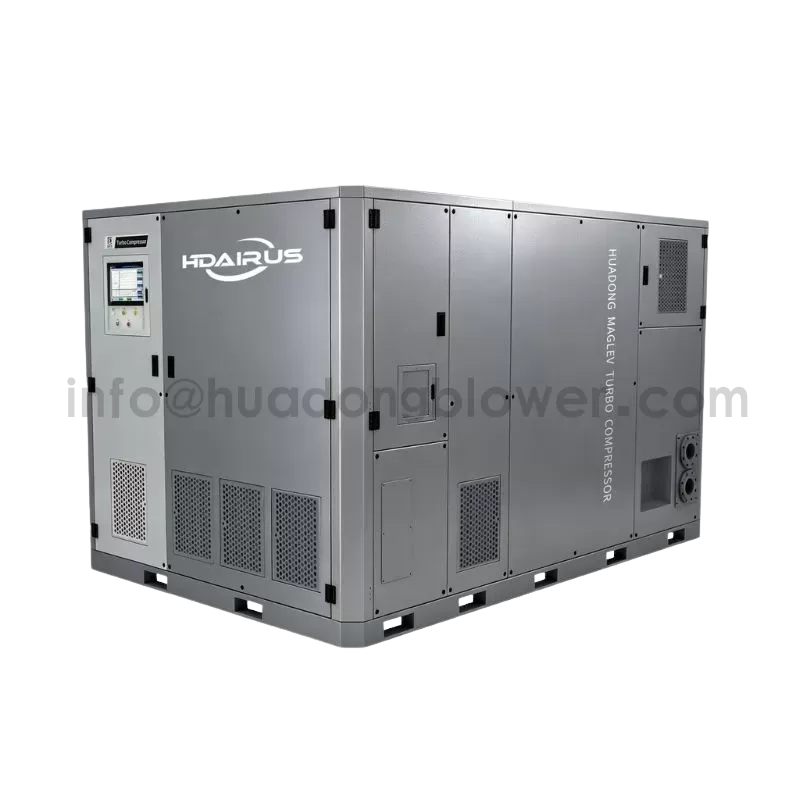
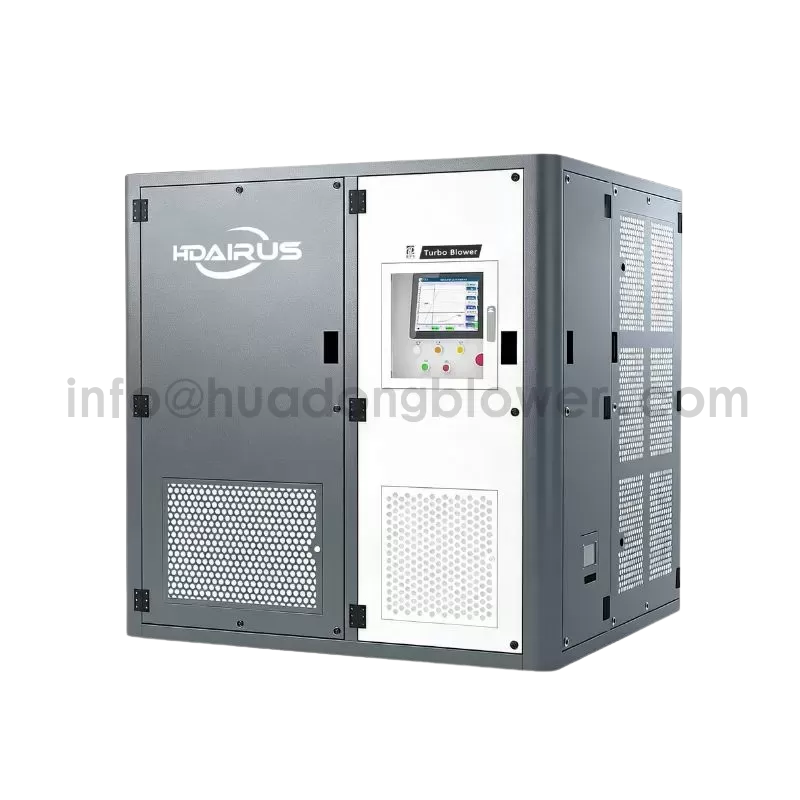
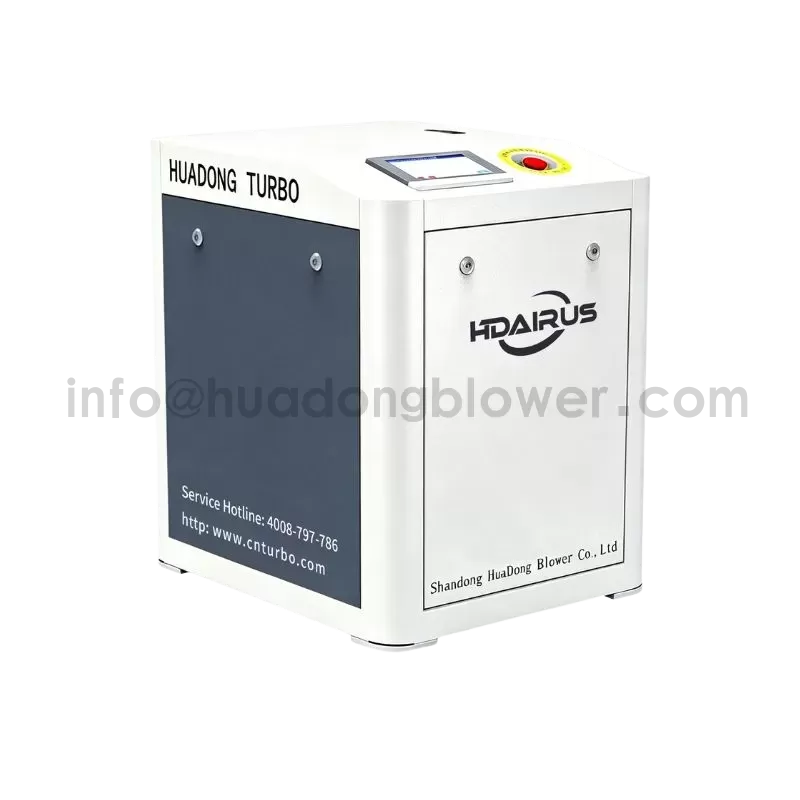
Shandong Huadong Blower Co., Ltd. is a premier manufacturer of advanced industrial fluid machinery and precision vacuum solutions. Operating from its 100,000 square meter smart manufacturing center in Zhangqiu, Jinan, China, the company engineers high-efficiency HDAirus maglev vacuum pumps and oil-free air systems specifically designed to support continuous, high-yield photovoltaic manufacturing.
Engineering Highlights of HDAirus Maglev Vacuum Systems
Precision Active Magnetic Bearings: Real-time digital sensors adjust rotor position thousands of times per second, maintaining stable, contact-free levitation under dynamic gas loads.
Process-Specific Anti-Corrosion Protection: Advanced surface coatings protect internal flow channels against aggressive chemical vapors and particulate deposition.
Turnkey Skid Package Architecture: Shipped as fully assembled, factory-tested vacuum skids equipped with smart PLC controls, trap filters, and industrial SCADA communication interfaces.
By deploying HDAirus oil-free maglev vacuum technology into solar cell coating lines, photovoltaic manufacturers protect coating purity, eliminate mechanical downtime, and achieve higher cell conversion efficiencies.
Recommended Products