Managing Fluctuating Organic Loads: Screw Blower Solutions for Textile Dyeing Wastewater Treatment Plants
Release time: Sep.23.2026
Click volume: Views
Textile dyeing and printing wastewater is widely recognized as one of the most challenging industrial effluents to treat. Characterized by extreme fluctuations in Chemical Oxygen Demand (COD), high color intensity, variable pH, high salinity, and elevated wastewater temperatures, these facilities require highly resilient biological treatment systems.
At the heart of the biological aeration stage (such as Anoxic/Oxic, Moving Bed Biofilm Reactors, or Membrane Bioreactors), aeration blowers operate continuously to supply oxygen to microorganisms. However, sudden batch dumps of dyes, sizing agents, and finishing chemicals create severe shock loads. Rotary screw blowers provide the wide turndown capability, high pressure stability, and energy efficiency necessary to master these dynamic operating conditions.
1. Biological Aeration Dynamics in Textile Dyeing Wastewater
Textile processing operates in batch production modes. Different fabric runs release varying formulations of reactive dyes, polyvinyl alcohol (PVA) sizing, surfactants, and scouring agents into the wastewater stream.
+-----------------------------------------------------------------------+
|          TEXTILE DYEING WASTEWATER SCREW BLOWER AERATION SYSTEM       |
|                                                                       |
|  [ Equalization Basin / pH Adjustment ] ──> [ Hydrolysis Acidification]
|                                                     │                 |
|                                                     ▼                 |
|  [ DO Sensor / Smart PLC ] ──> [ Oil-Free Screw Blower Package ]      |
|                                                     │                 |
|                                                     ▼                 |
|  [ Microporous Diffusers ] ───> [ Aerobic Biological Basin (A/O, MBR) ]
|                                                     │                 |
|                                                     ▼                 |
|  [ Secondary Clarifier ] ─────> [ Advanced Oxidation / Reuse Plant ]  |
+-----------------------------------------------------------------------+
Core Challenges in Textile Aeration Operations
Severe Organic Shock Loads: COD concentrations can surge rapidly from 800 mg/L to over 3,000 mg/L within hours. Aeration systems must immediately ramp up oxygen transfer rates to prevent biological tank hypoxia.
High Wastewater Temperatures: Dyeing effluent often enters aeration basins at temperatures above 35°C–40°C. Elevated water temperatures decrease oxygen solubility, demanding higher volumetric airflow to maintain target Dissolved Oxygen (DO) levels.
High Static Backpressure: Modern textile wastewater plants utilize deep biological tanks (6 to 9 meters) with fine-bubble microporous diffusers to maximize oxygen transfer efficiency. Blowers must maintain stable discharge pressure against heavy liquid heads without stalling or overheating.
2. Why Screw Blowers excel under Fluctuating Textile Loads
Rotary screw blowers employ positive displacement compression using interlocking helical male and female rotors. This mechanical architecture delivers superior performance compared to traditional Roots blowers and standard centrifugal fans:
Wide VFD Turndown (30% to 100% Flow Control): Screw blowers integrate seamlessly with Variable Frequency Drives (VFDs) and Dissolved Oxygen (DO) feedback loops. They can rapidly adjust airflow output to match real-time organic loading—saving energy during low-load periods and delivering peak air volume during batch dump surges.
Up to 30%–35% Energy Savings: Internal compression efficiency dramatically reduces wire-to-air energy consumption compared to external-compression Roots blowers. In facilities where aeration accounts for 50% to 60% of total plant electrical OPEX, this yields rapid payback.
100% Oil-Free ISO 8573-1 Class 0 Air: Teflon-coated rotors operate without lubrication in the compression chamber, completely eliminating oil mist contamination that could clog fine-bubble diffusers or poison biological membranes (MBR).
Pressure-Independent Airflow: As a positive displacement machine, a screw blower maintains constant air volume even when tank liquid levels or diffuser backpressure change, ensuring reliable aeration regardless of basin depth variations.
3. Critical Engineering Considerations for Textile Wastewater Retrofits
Optimizing a textile dyeing wastewater aeration system with screw blowers requires specific engineering protections:
Heavy-Duty Inlet Filtration: Textile printing environments contain high concentrations of airborne fibers, lint, and chemical dust. Multi-stage inlet air filtration protects the precision screw rotors from abrasive wear.
Corrosion Protection for Humid/Acidic Ambient Air: Blower enclosures and internal air channels should feature protective coatings to resist ambient $SO_2$, hydrogen sulfide, or chemical vapors common around industrial effluent tanks.
Acoustic & Thermal Management: Enclosed skid units with heavy-duty acoustic insulation keep noise levels below 75 dB(A) while integrated forced-air cooling prevents internal cabinet overheating in warm climates.
4. Manufacturing Standards by Shandong Huadong Blower Co., Ltd.
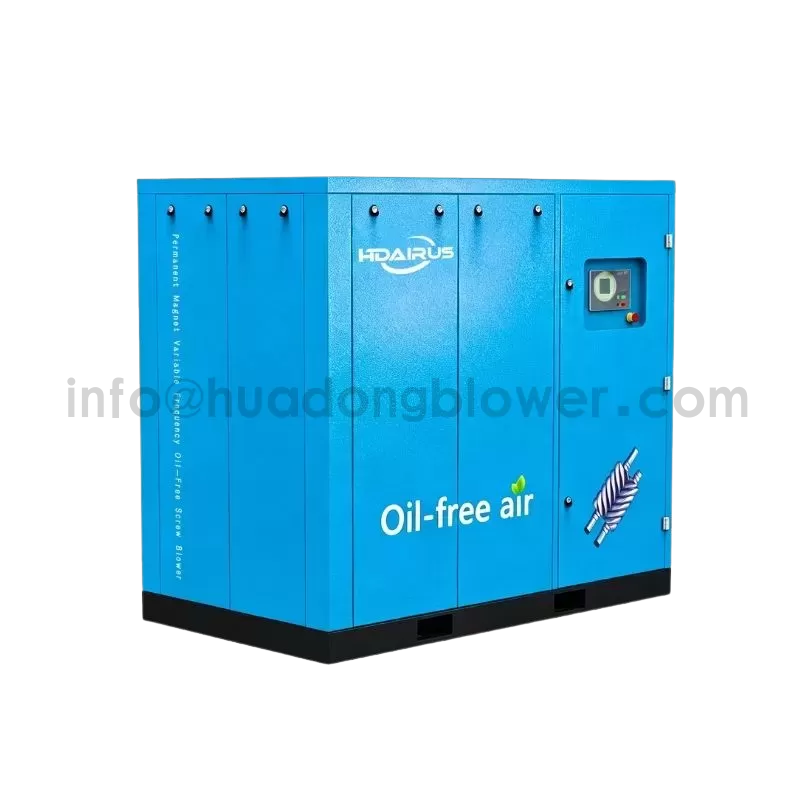
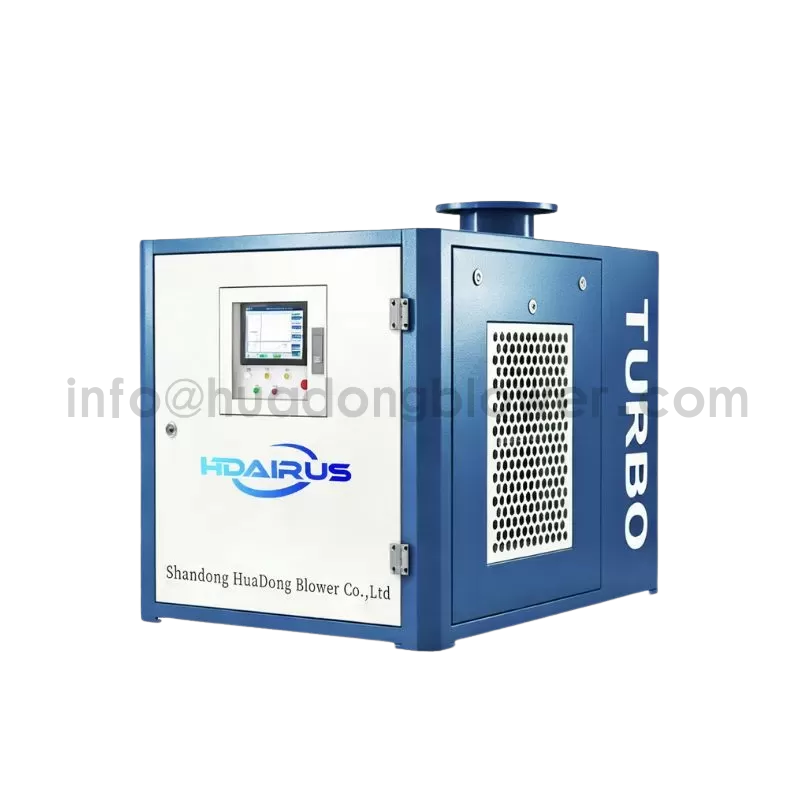
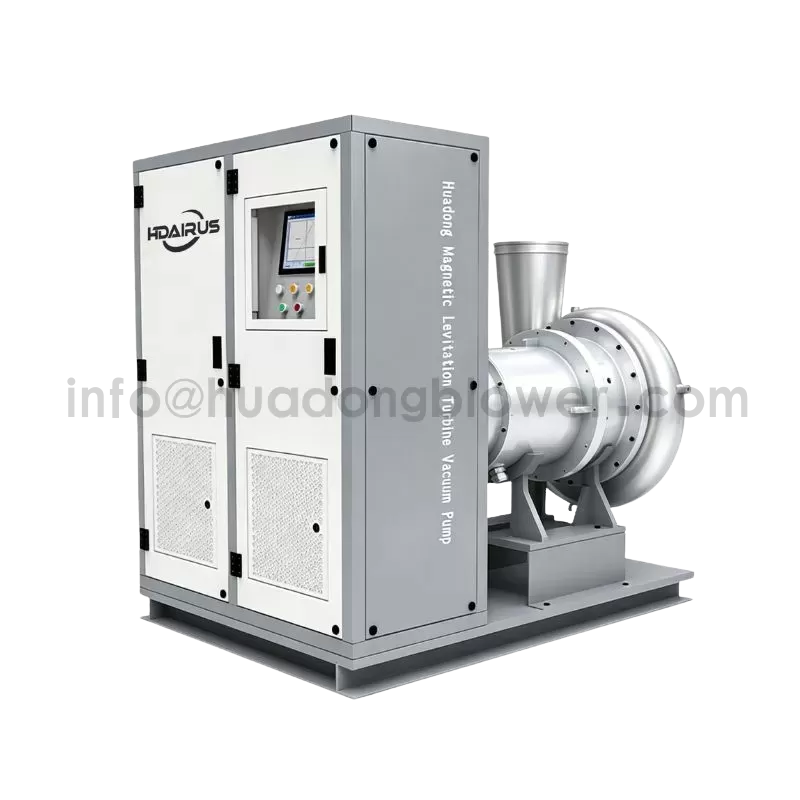
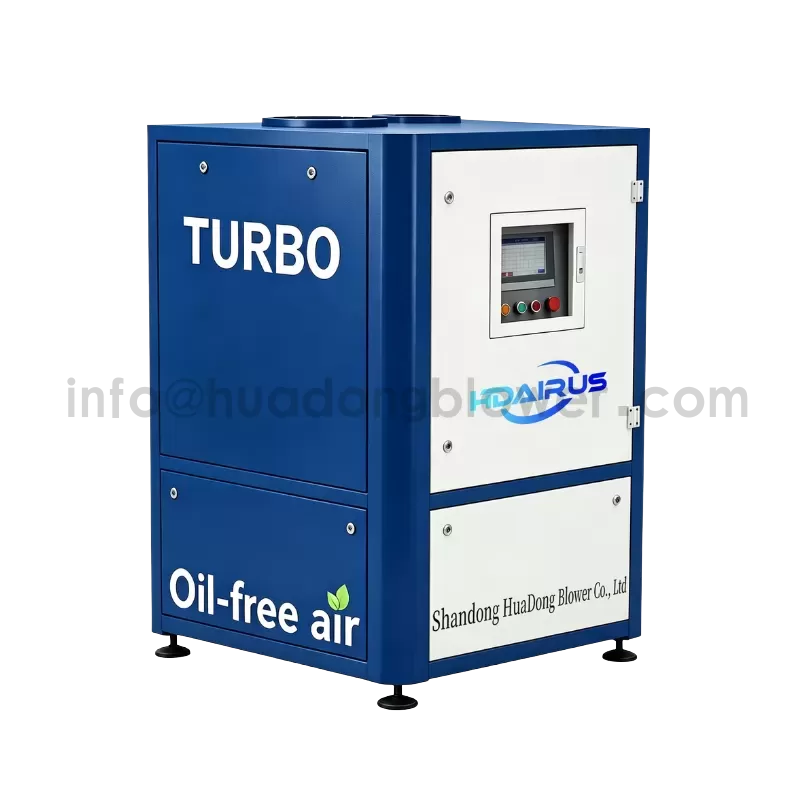
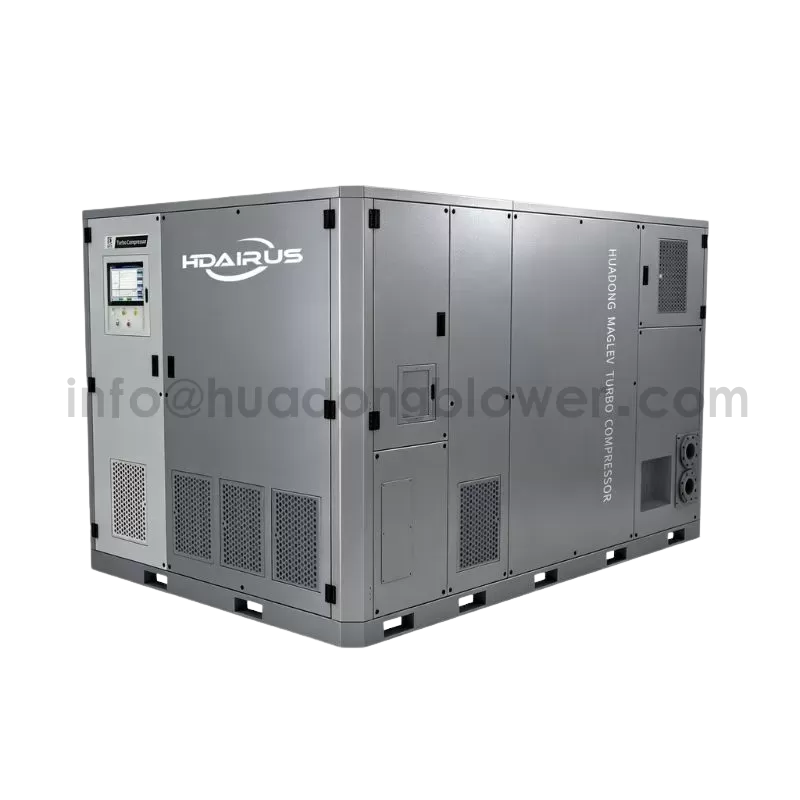
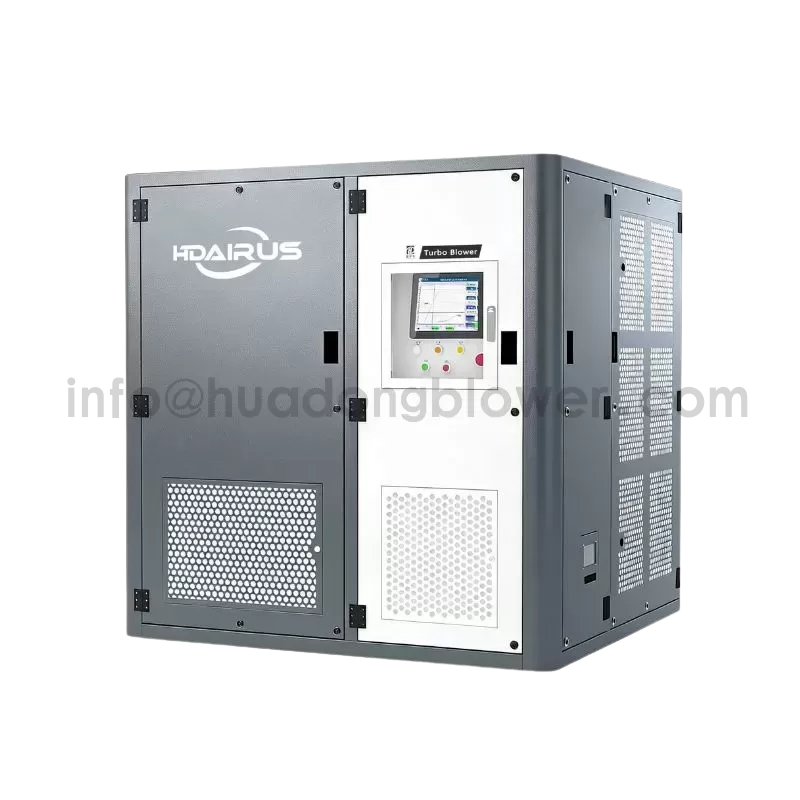
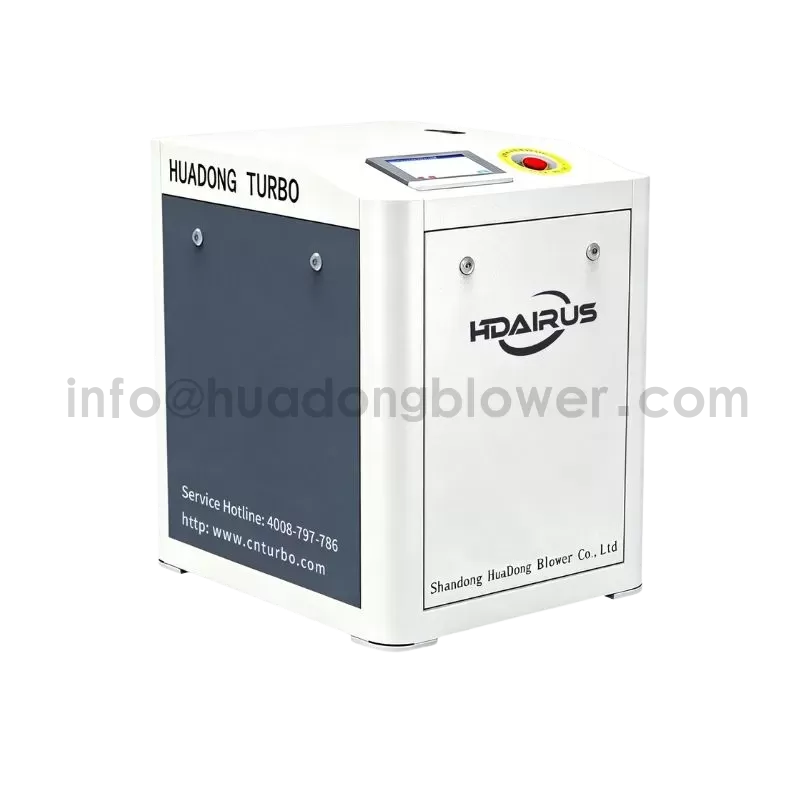
Shandong Huadong Blower Co., Ltd. is a specialized manufacturer of industrial process blowers and environmental protection equipment. Operating from its 100,000 square meter smart manufacturing center in Zhangqiu, Jinan, China, the company engineers custom HDAirus screw blower packages designed specifically for demanding industrial wastewater applications.
Core Advantages of HDAirus Textile Wastewater Screw Blowers
Precision CNC Helical Rotor Profile: Precision-ground screw profiles minimize internal clearance losses, providing exceptional volumetric efficiency and pulse-free air delivery.
Dual-Chamber Oil Seal Architecture: Atmospheric separation chambers prevent gear lubricant migration into the compression air path, guaranteeing Class 0 oil-free air purity.
Turnkey Skid Package Integration: Shipped as fully assembled, factory-tested units equipped with built-in discharge silencers, check valves, smart PLC controllers, and VFD drive cabinets for plug-and-play installation.
By retrofitting biological aeration basins with HDAirus oil-free screw blowers, textile dyeing plant operators stabilize treatment performance under severe organic shock loads, significantly reduce electricity costs, and ensure consistent environmental compliance.
Recommended Products