Maglev vs. Screw Compressors: Why Friction-Free Technology is the Future
Release time: Mar.18.2026
Click volume: Views
Compressed air systems are essential in modern industry. From manufacturing to wastewater treatment, reliable air supply supports critical processes.
Traditional screw compressors have long been the standard. However, new technologies are changing expectations.
Maglev compressors, based on friction-free magnetic bearing systems, are redefining performance, efficiency, and reliability.
How Traditional Screw Compressors Work
Screw compressors use two intermeshing rotors to compress air.
During operation, mechanical contact and lubrication are required. Oil is often used to reduce friction, cool components, and seal gaps.
While this design is proven, it introduces energy losses and maintenance requirements.
Friction, heat generation, and wear are unavoidable in mechanical systems.
How Maglev Compressors Work
Maglev compressors use magnetic bearings to suspend the rotating shaft.
There is no physical contact between moving parts. The rotor spins freely in a magnetic field.
This friction-free operation eliminates the need for lubrication in the compression chamber.
Advanced control systems maintain precise rotor positioning and stable operation.
Key Differences Between Maglev and Screw Compressors
Friction and Mechanical Losses
Traditional screw compressors rely on mechanical contact.
Maglev compressors eliminate friction almost entirely.
This reduces energy loss and improves overall efficiency.
Energy Efficiency
Friction-free operation allows maglev compressors to achieve higher efficiency.
Less energy is lost as heat, and more power is converted into useful airflow.
This leads to significant energy savings over time.
Maintenance Requirements
Screw compressors require regular oil changes, filter replacement, and component inspection.
Maglev compressors have fewer wear parts.
This reduces maintenance frequency and lowers operating costs.
Air Quality
Oil-lubricated screw compressors may introduce contamination risks.
Maglev compressors provide oil-free air, which is essential for sensitive industries such as food processing and pharmaceuticals.
Noise and Vibration
Mechanical contact in screw compressors generates vibration and noise.
Maglev compressors operate smoothly with minimal vibration.
This improves working conditions and reduces structural stress.
Benefits of Friction-Free Technology
Lower Energy Consumption
Energy savings are one of the biggest advantages of maglev systems.
Efficient operation helps reduce electricity usage and operational costs.
Longer Equipment Life
Reduced wear extends equipment lifespan.
Fewer mechanical stresses lead to more stable long-term operation.
Improved Sustainability
Lower energy use means reduced carbon emissions.
Oil-free operation also eliminates the risk of environmental contamination.
Applications Driving the Shift
Maglev compressors are increasingly used in industries that demand high efficiency and clean air.
These include wastewater treatment, electronics manufacturing, pharmaceuticals, and food processing.
As energy costs rise and environmental regulations become stricter, more facilities are adopting friction-free solutions.
Advanced Solutions from HDAirus
To meet modern industrial demands, advanced compressor technology is essential.
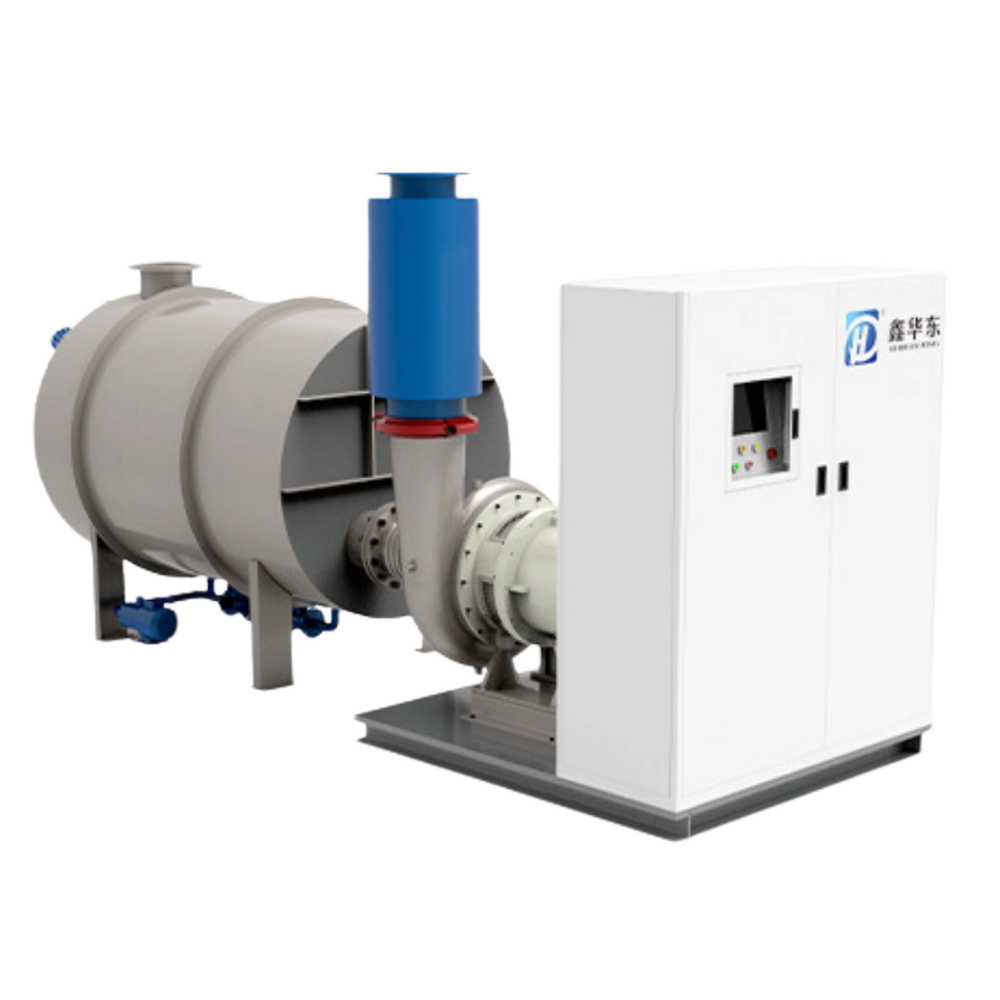
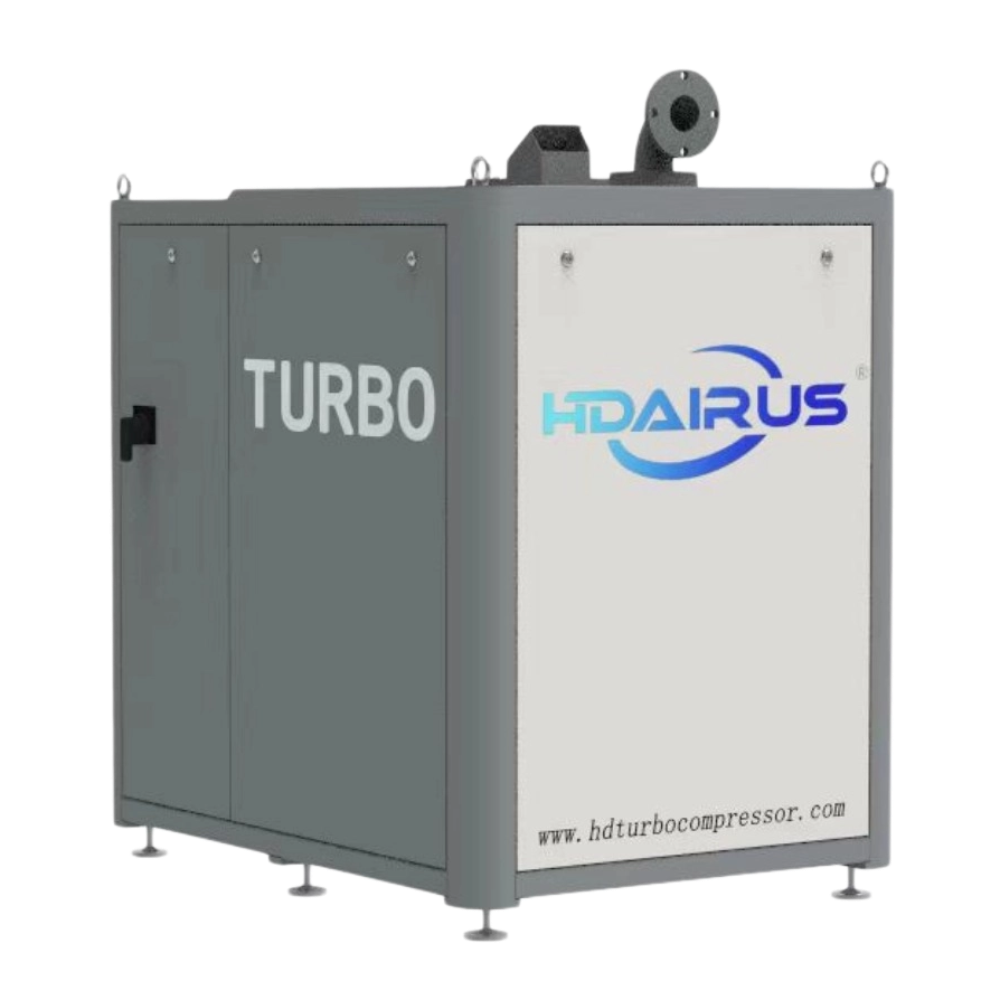
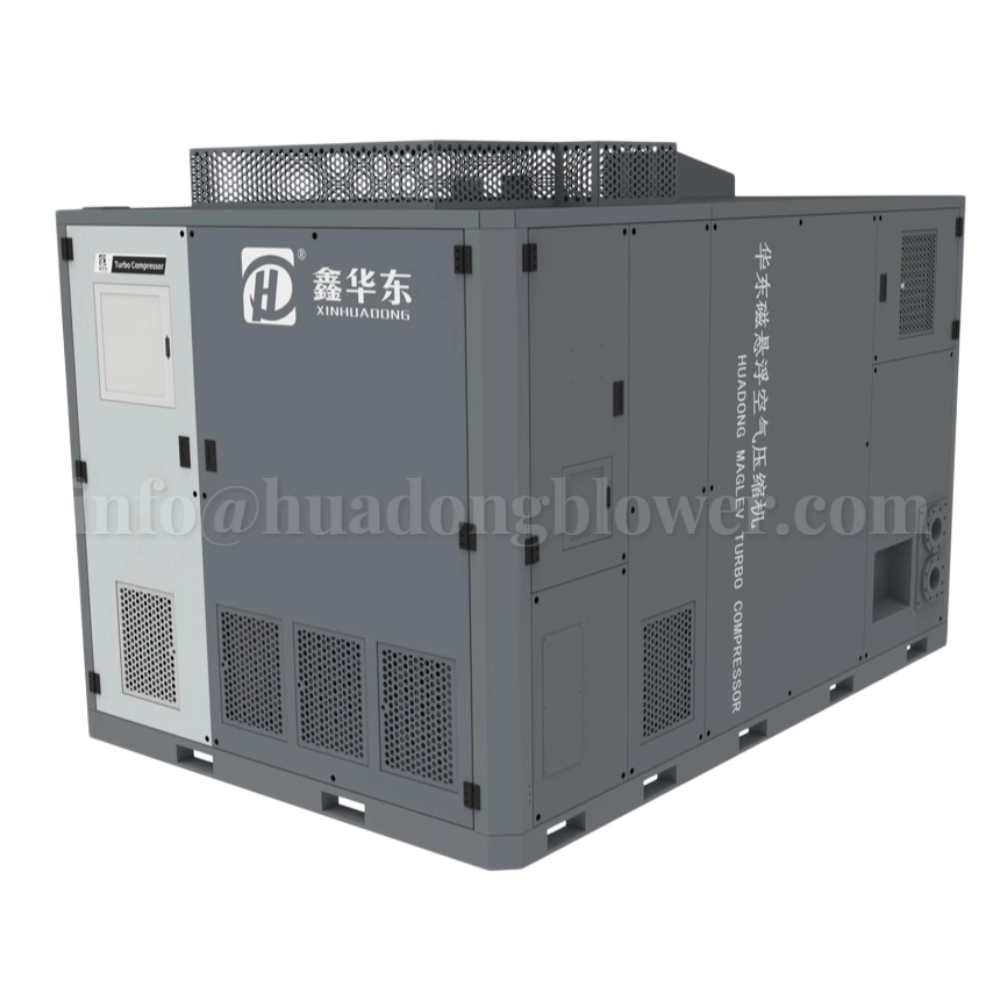
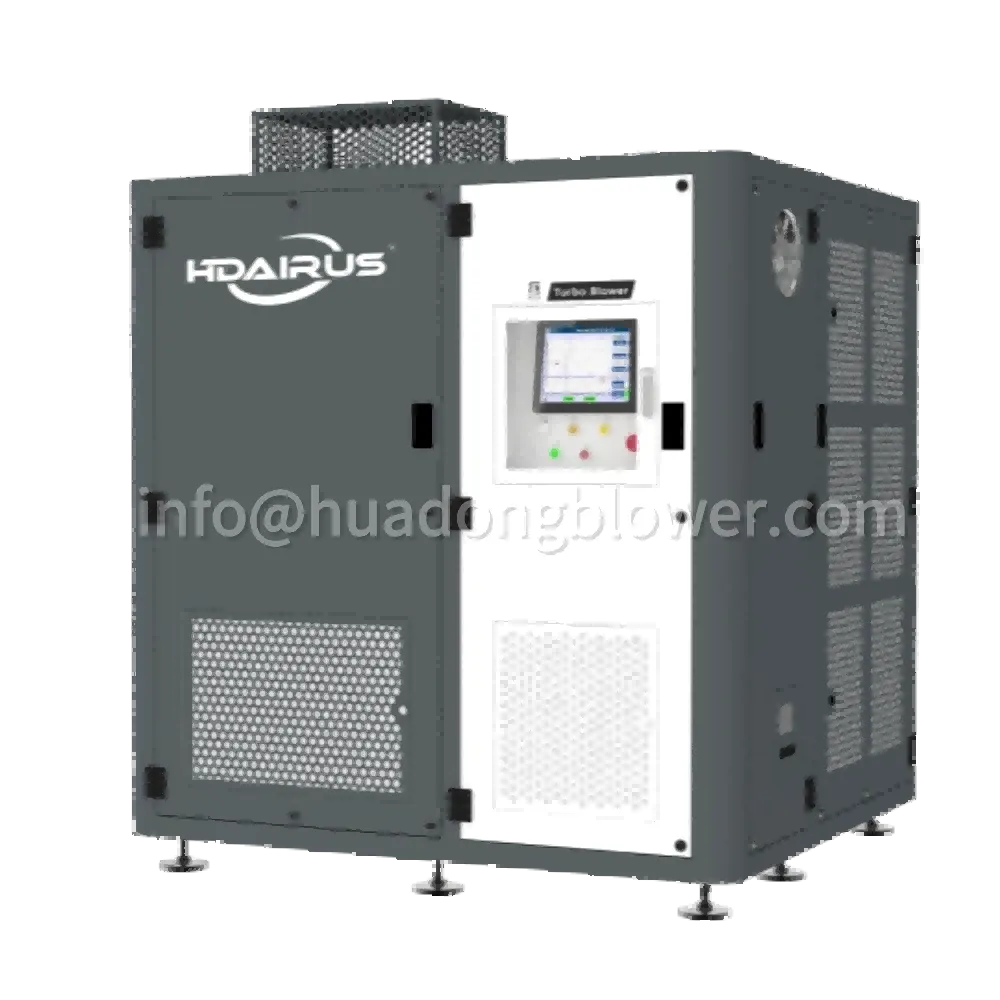
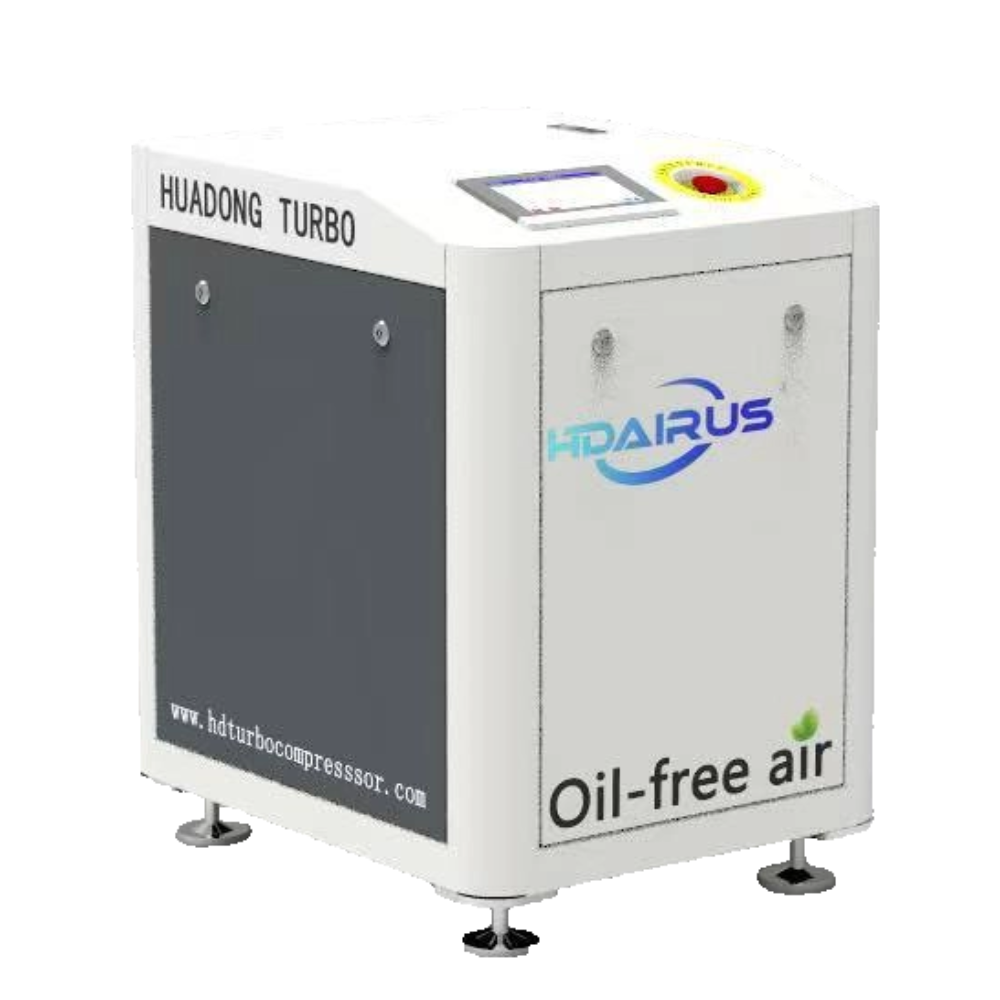
HDAirus maglev turbo compressors combine friction-free magnetic bearing technology with high-speed motors and intelligent control systems.
These solutions deliver high efficiency, oil-free air, and low maintenance requirements, making them ideal for future-ready industrial applications.
Conclusion
Maglev compressors represent a major step forward in compressed air technology.
By eliminating friction, they improve efficiency, reduce maintenance, and support sustainable operation.
As industries continue to prioritize energy savings and environmental responsibility, friction-free compressor technology is set to become the future standard.
Recommended Products