Aeration on Demand: Smart Control of Multiple Turbo Blowers for Large Facilities
Release time: Mar.13.2026
Click volume: Views
Large industrial facilities often require significant aeration capacity. Wastewater treatment plants, aquaculture farms, and industrial biological reactors rely on continuous airflow to maintain stable processes.
In these systems, multiple turbo blowers are usually installed to meet high airflow demand. However, operating all blowers at full capacity is inefficient.
Smart scheduling and load balancing allow facilities to deliver aeration only when needed. This strategy improves energy efficiency and extends equipment life.
Why Aeration Demand Changes
Aeration demand is rarely constant.
In wastewater treatment plants, oxygen demand varies depending on biological activity and influent load. In aquaculture systems, oxygen demand changes with fish density, feeding cycles, and water temperature.
Because of these fluctuations, a fixed airflow supply often leads to wasted energy.
Adaptive control strategies allow operators to adjust aeration capacity in real time.
The Concept of Aeration on Demand
Aeration on demand means supplying airflow according to actual system requirements.
Sensors monitor parameters such as dissolved oxygen, pressure, and airflow. Control systems then adjust blower output automatically.
Instead of operating all blowers simultaneously, the system starts or stops units depending on demand.
This intelligent operation significantly reduces energy consumption.
Smart Scheduling for Multiple Turbo Blowers
Smart scheduling distributes operating hours across multiple blowers.
Instead of running one blower continuously, the control system rotates operation among several units.
This approach offers several advantages.
Balanced wear across all machines
Reduced risk of unexpected failures
Simplified maintenance planning
Rotational scheduling ensures that no single blower experiences excessive operating hours.
Load Balancing for Efficient Operation
Load balancing is another important strategy in multi-blower systems.
Each turbo blower operates most efficiently within a specific load range.
When demand increases, additional blowers start gradually. When demand decreases, units are stopped or operated at reduced speed.
This ensures that active blowers operate near their optimal efficiency point.
Variable speed drives play an important role in this process. They allow fine adjustment of airflow while maintaining stable system pressure.
Energy Savings in Large Aeration Systems
Aeration can account for a large portion of energy consumption in industrial facilities.
Optimizing blower operation through smart control systems can significantly reduce electricity usage.
Efficient scheduling and load balancing minimize unnecessary operation while maintaining process stability.
These improvements also reduce carbon emissions and support sustainable industrial operations.
Reliable Turbo Blower Solutions from HDAirus
Advanced control strategies require reliable equipment.
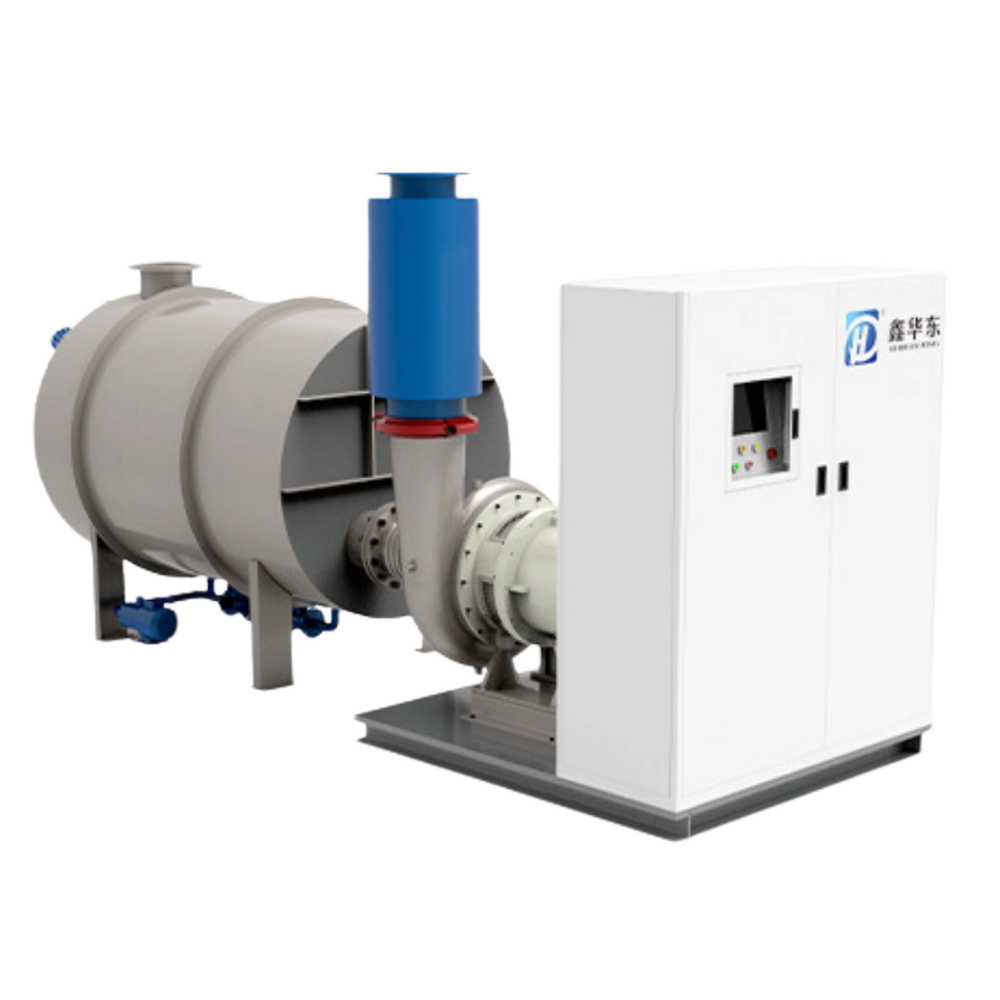
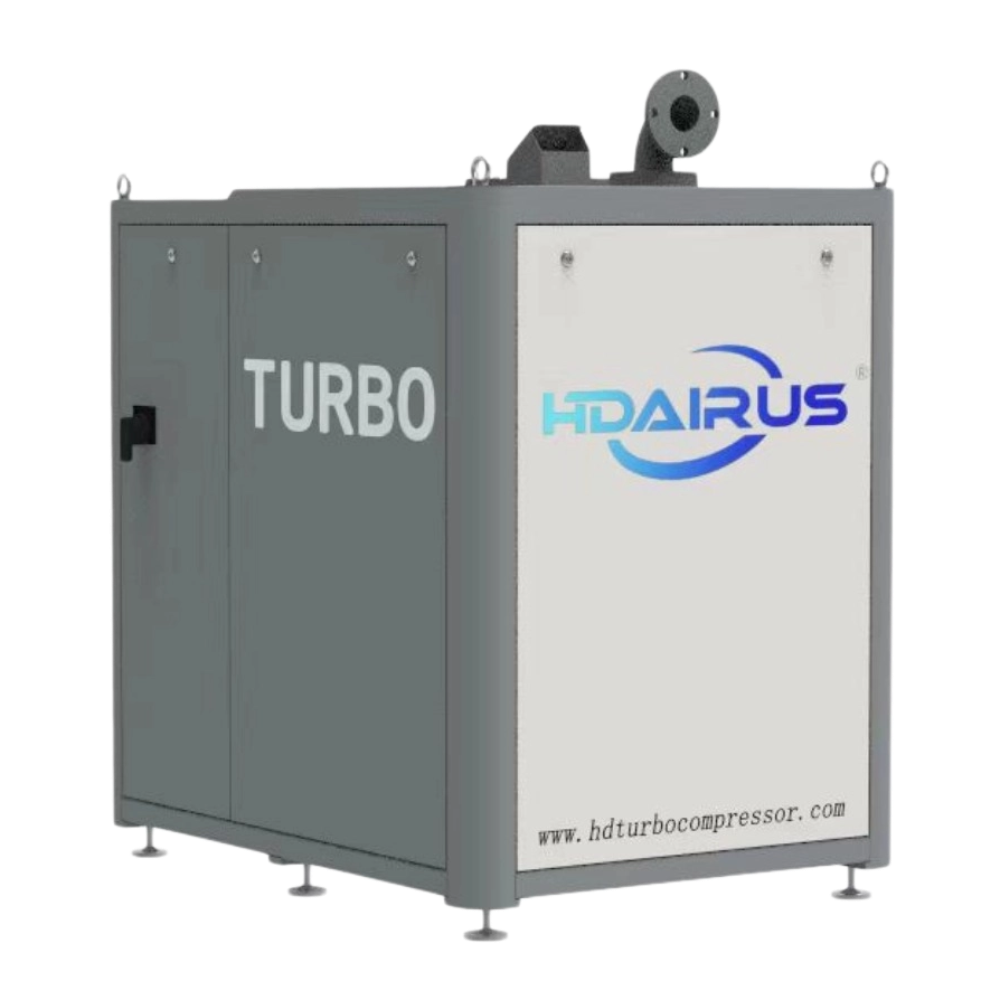
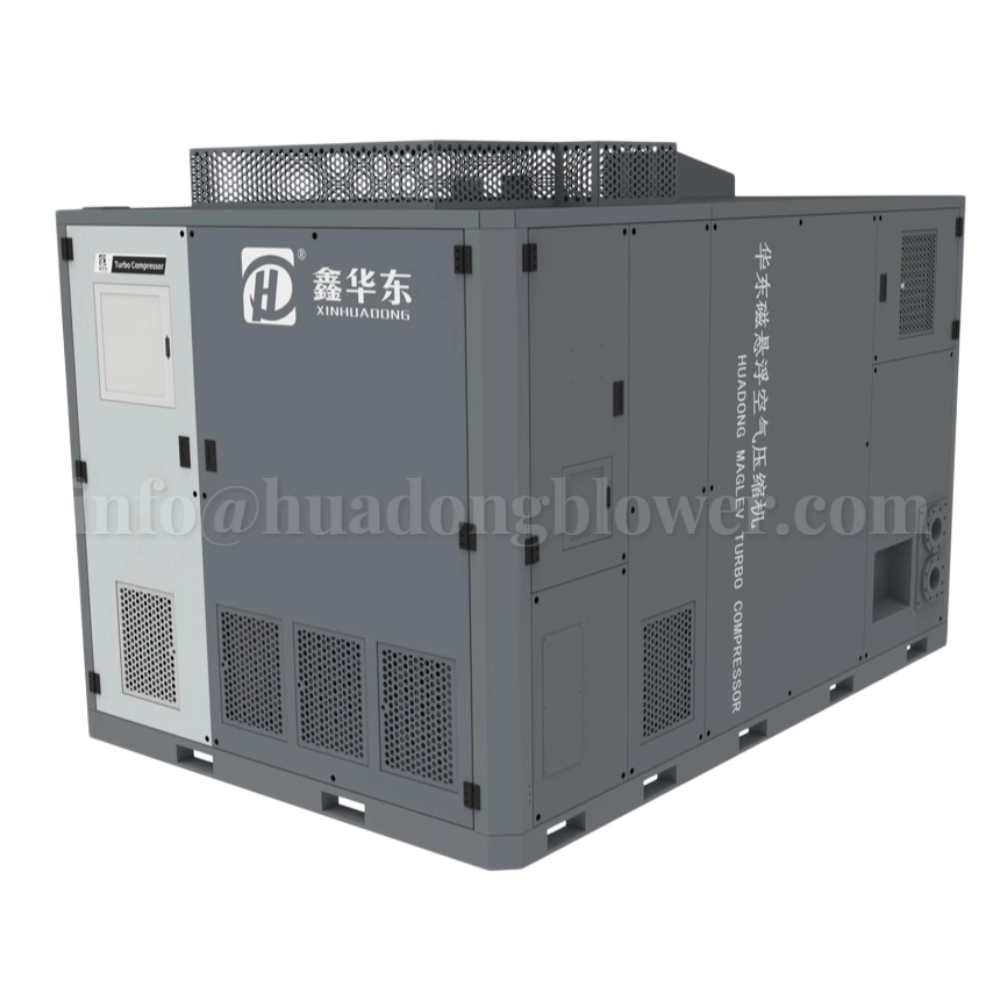
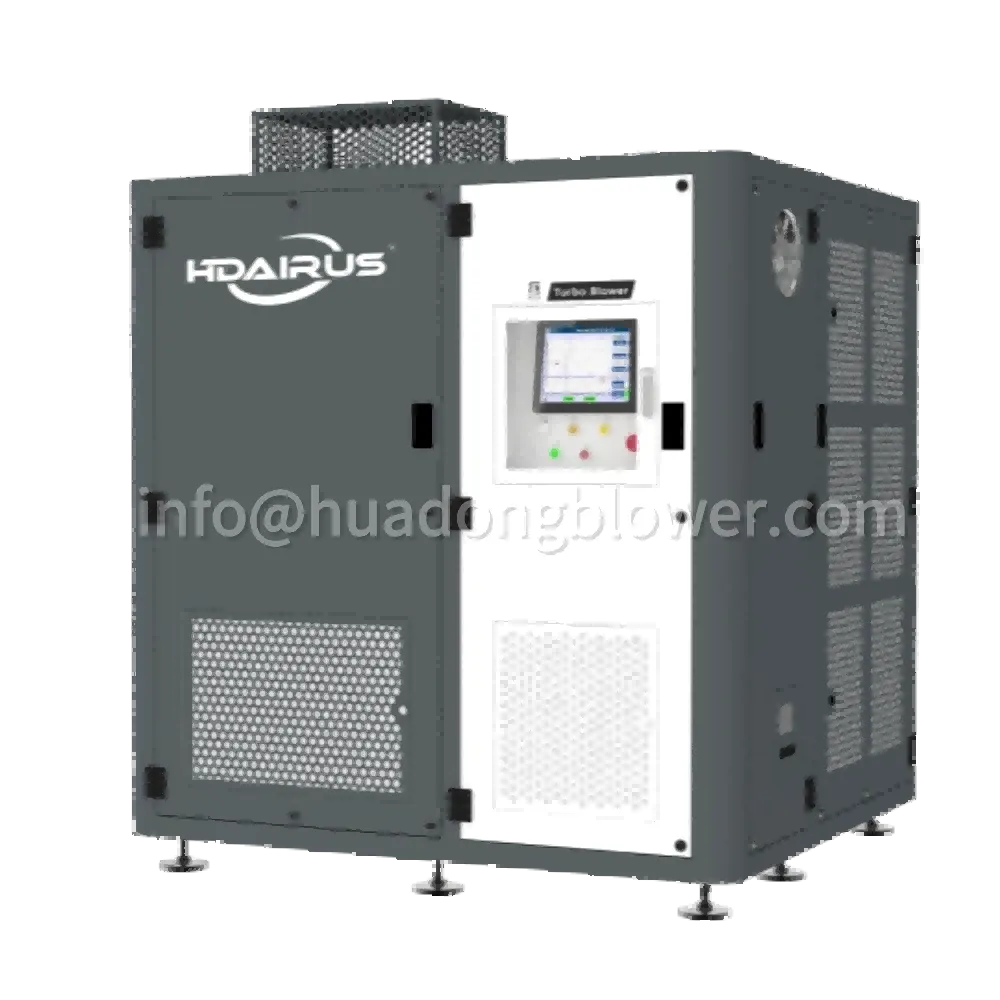
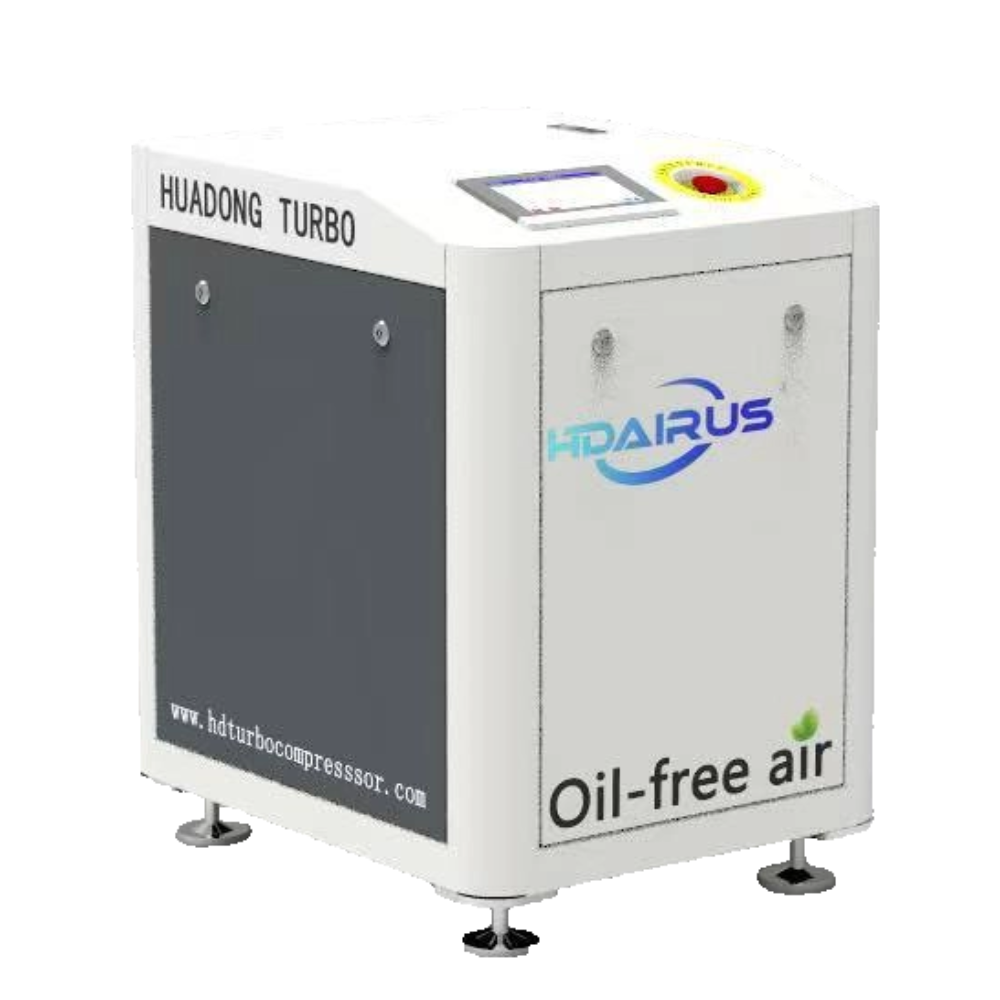
HDAirus turbo blowers, including airfoil turbo blowers and maglev turbo blowers, are designed for high efficiency and stable operation.
Their oil-free design, low vibration, and intelligent control compatibility make them ideal for large aeration systems with multiple blower configurations.
These solutions help facilities implement aeration-on-demand strategies while reducing operational costs.
Conclusion
Large facilities benefit greatly from intelligent aeration management.
Smart scheduling and load balancing ensure that turbo blowers operate efficiently and reliably.
By delivering aeration only when needed, facilities can reduce energy consumption, extend equipment life, and maintain stable process performance.
With advanced turbo blower technology and smart control systems, aeration systems become more efficient, flexible, and sustainable.
Recommended Products